Table Of Content
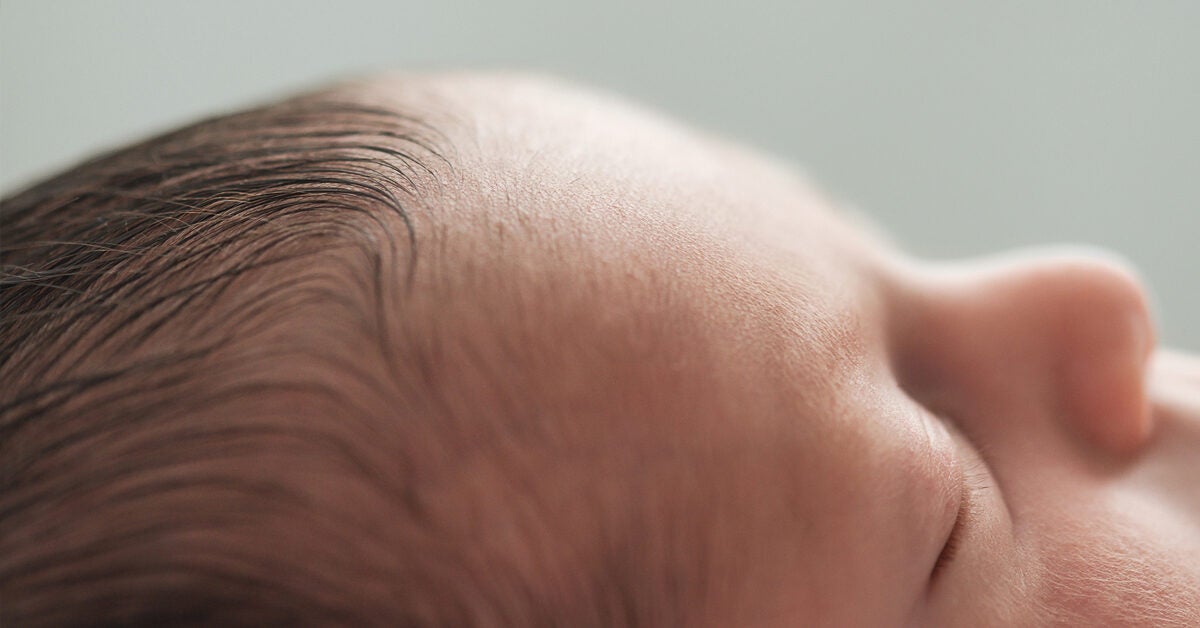
Most babies have almost none when they’re first born, and the tiny tresses that emerge in those early weeks and months could very well shed between 2 and 3 months. The hair falls out and the new, mature hair hasn’t yet come in. Find out what causes hair loss in babies, what to do about your baby's hair loss, and how to support hair growth in your newborn.
Baby care products
If you are treating cradle cap, be careful not to pick at the scales (no matter how tempting it may be!) as this can lead to infection. Newborn hair loss is common, so don’t be alarmed if you see some shedding in the crib during the first 6 months of your baby’s life. It’s also possible you won’t notice this change, as, sometimes, hair loss and growth happen simultaneously. There are a few different reasons why your newborn is likely to shed a lot of hair in the first few months of life. Some hair-loss triggers for babies include hormonal changes, friction from the way they sleep, and common infant skin issues, like cradle cap. Infant hair loss is not only common, it's a normal phase of early physical development.
This Baby With a Bouffant Is Too Cute - Allure
This Baby With a Bouffant Is Too Cute.
Posted: Fri, 07 Oct 2016 07:00:00 GMT [source]
Baby hair loss
Some babies will lose significantly more in a short period, but even that shouldn’t ring alarm bells just yet. Keep an eye on your baby for any other changes, and don’t hesitate to call your pediatrician if in doubt. Just like plants need the right nutrients to flourish, so does your baby’s hair. A well-balanced diet is key to maintaining those adorable locks.
Hair and Scalp Care
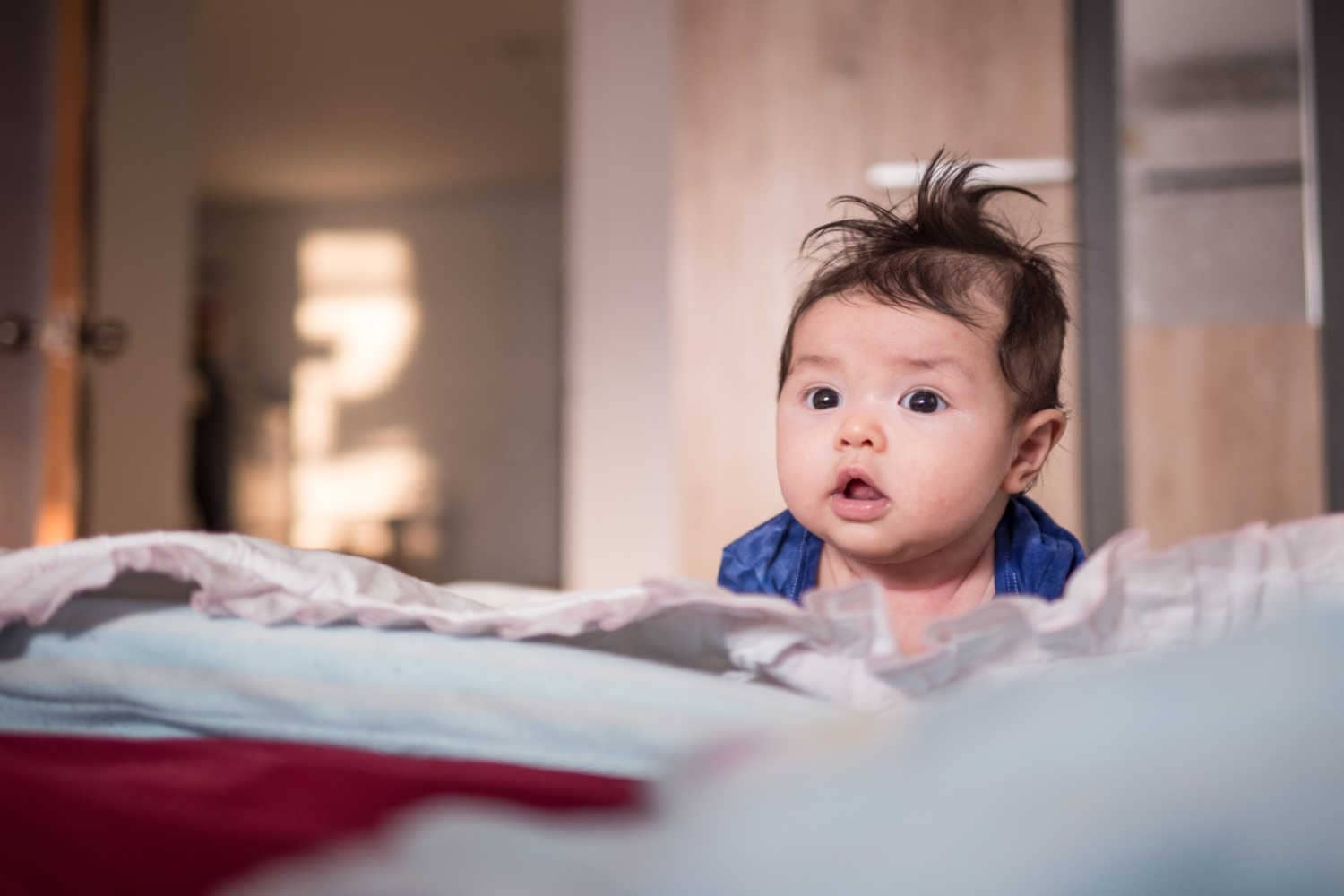
If baby was born sans hair, it’ll likely start to grow soon. In fact, hair follicles begin to develop in the womb at 14 weeks gestation, and newborns are born with all the hair follicles they’ll have and need throughout their lifetime, says Scott. If you notice abnormal patterns like bald patches or poor growth by their first birthday, it’s time to consult a pediatrician. Remember, every baby’s hair growth journey is unique, like a fingerprint.
Please, make sure you wash off all oils applied at bath time to avoid worsening the condition. Its official name is “seborrheic dermatitis” and it causes small red flaky patches of skin on the scalp, which can also cause hair loss or hair weakness in the flaky areas. Newborns arrive chock full of all the same pregnancy hormones that have been sustaining you for the last few months.
I Lost All My Hair During Pregnancy - HuffPost
I Lost All My Hair During Pregnancy.
Posted: Fri, 04 Sep 2015 07:00:00 GMT [source]
Some babies only lose a few strands at a time, while others might develop large bald spots. But don’t panic; your baby’s new locks should grow out again in no time. While being pregnant they gave you a supermodel head of hair all the while providing the same for your baby. Once your little one takes birth, they no longer receive these hormones and hence experience hair loss (even your hair falls off once you have delivered the baby). If your baby’s hair loss is due to cradle cap, try some coconut oil to moisten and loosen the scales.
If you notice a bald spot, try to adjust how your baby is lying. Most of the time, these are caused by the area being rubbed against something. While the hair is in the resting phase, it will stay put in the follicle. As the new hair starts to grow, it will push out the old, resulting in a few lost strands. All of that said, if you have concerns about your baby’s skin, or it seems that their cradle cap may be getting infected, don’t hesitate to contact your pediatrician.
In some babies, hair regrowth happens about the same time hair falls out, so you may not notice a difference. In others, the hairs fall out quickly, leaving your child cue-ball bald. CCCA and LPP fall under the umbrella of lymphocytic scarring alopecia. The telltale signs of these conditions are chronic inflammation of the scalp and the scarring of hair follicles, which can result in irreversible hair loss, Agbai notes. Alopecia areata is an autoimmune condition that is characterized by “round patches of hair loss on the scalp,” although it can occur elsewhere on the body, Agbai says. While the exact reason for this type of hair loss is unknown, it is generally understood that “the immune system mistakenly attacks hair follicles, leading to hair loss,” she adds.
How Long Until My Baby's Hair Grows Back?
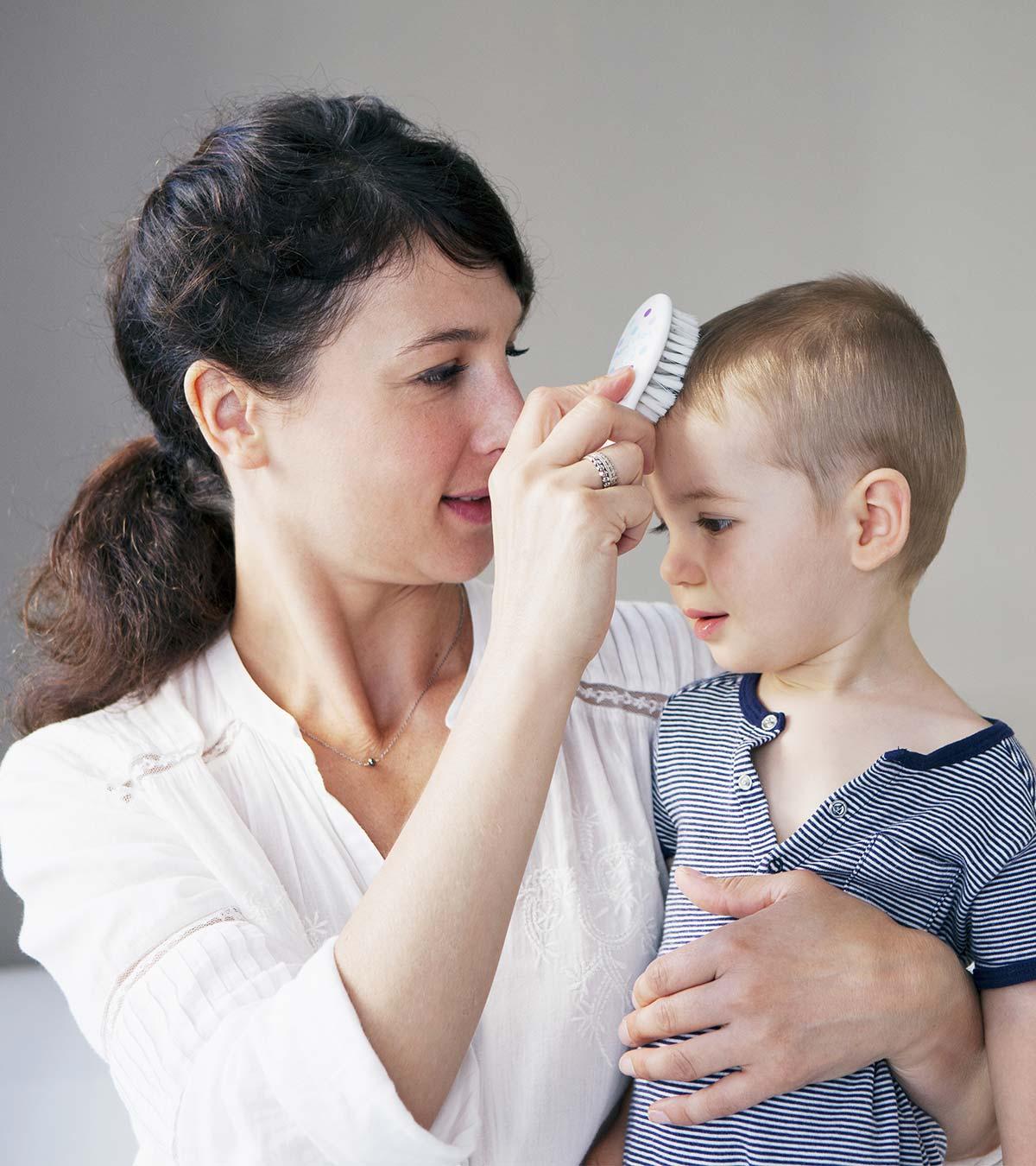
As babies grow, you might notice that their hair starts looking thinner. You might find some strands of hair on their pillows, bathwater, and hairbrush. Although you may not notice a bald patch, it is worrisome for babies to lose their hair. The most common form of this condition is referred to as Neonatal Occipital Alopecia (NOA). Always use a mild baby shampoo when you wash your baby’s hair. Never rub the hair; just gently lather the shampoo and rinse front to back.

"He looked just like Elvis – he even had sideburns," she says. After birth, all of a baby's hair stays in the resting phase until more resources become available. Hair usually starts to shed at 8 to 12 weeks of age, and begins to grow back at around 3 to 7 months.
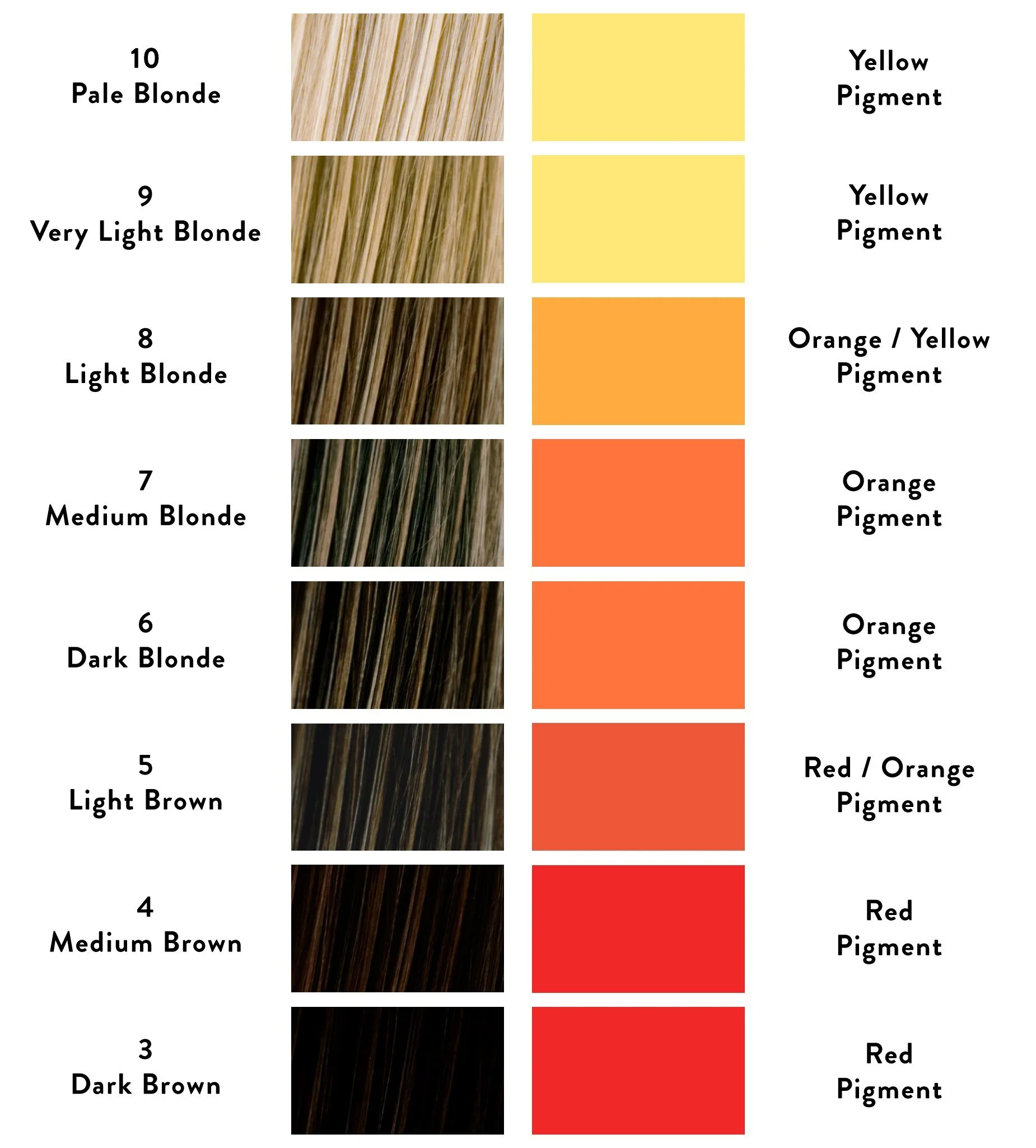
The texture and color might turn out to be different, with sparse birth hair growing to be thicker and blond birth hair becoming brown. So, don’t get worried if your baby’s curly hair grows back to be straight. Because infant bald patches most often occur at the back of the head, experts initially thought the balding was due to friction on the back of the head from the baby’s sleeping position. When babies sleep on their backs, the back of their heads may rub against the mattress, which would theoretically rub off their hair and create a bald spot. Most hair loss in babies is completely normal, and the hair will grow back within a few weeks or months without treatment.
Listen to your instincts and know that baby’s luscious locks will likely grow in soon. Your little munchkin must have had a luscious head of hair at birth but have they started to fall out recently? According to the American Academy of Paediatrics (AAP), baby hair loss is completely normal in the first few months of newborn life. Several factors are behind alopecia in babies from sleeping positions to hormonal changes.
Ultimately, the most important thing to know about baby hair is that pretty much everything is normal. Bald babies and hairy babies alike, as well as everything in between, are considered typical and healthy. To learn about how we maintain content accurate and up-to-date by reading our medical review and editorial policy.
Using a baby shampoo or an anti-dandruff shampoo would be fine; wash the baby’s scalp daily. Also, parents who don’t feel comfortable with frequent washing the baby’s scalp can apply an antifungal cream. Ringworm is another medical condition that can lead to hair loss in babies. This fungal infection often starts as a scaly patch on babies’ skin that gets itchy and leads to hair loss on the affected areas. It is very contagious, and the risk of babies contracting this infection increases with poor hygiene. Thus, it is common in some households that share combs, hats, pillows, and clothes.
While the hue, texture, and appearance may change over time, it is worth noting that the actual hair follicles on your little one’s head will remain unchanged. On an adult's head, each strand of hair goes through a phase when it's growing and when it's not — and when hair isn't growing, it can also shed. At any given time, only a small percentage of your hair is in this latter stage, and only about 50 to 100 strands are lost per day. If there's ever a concern about your baby's health, including hair growth, you should discuss it with their healthcare provider. Some childhood conditions may contribute to hair loss as your baby grows older.
Once your little one has a full head of hair that’s growing longer with each passing day, you’ll likely start thinking about going for baby’s first haircut. There’s no definitively right or wrong time to make that milestone appointment. “Trust your gut, but definitely [get it done] before hair reaches the length that it’ll get in [baby’s] eyes,” advises Scott. That said, there may be some benefits to waiting until baby’s at least one-year-old. Not only does it allow more time for baby’s hair to grow, it also means that your child will be able to sit up and support their own head during the process, which is ideal for safety.